How Locals Experience: Bukhansan National Park Hiking & Spa Guide (2026)
If you ask a longtime Seoul resident how to spend the ultimate autumn or spring weekend, you won't hear about shopping malls or trendy commercial cafes. Instead, you'll be let in on a cherished local ritual: taking a morning trek up the dramatic granite peaks of Bukhansan National Park (북한산국립공원), followed by an afternoon of deep muscle recovery in a traditional Korean sauna (Jjimjilbang) or foot spa, and ending with a feast of crispy Haemul Pajeon (seafood pancake) and ice-cold Makgeolli (Korean rice wine) at the mountain base.
Covering nearly 80 square kilometers right on the northern edge of Seoul, Bukhansan holds a Guinness World Record for the most visited national park per unit area. Yet, despite its proximity to a metropolis of 10 million people, stepping onto its pine-scented trails feels like entering another world of rugged cliffs, ancient mountain fortresses, and crystal-clear mountain streams.
In this comprehensive 2026 guide, I will share everything you need to plan the perfect Bukhansan hiking and wellness day trip—from selecting the right trail route and getting free gear rental to unwinding in authentic Korean spas.
(Photo: Source - Korea Tourism Organization, KOGL Type 1)
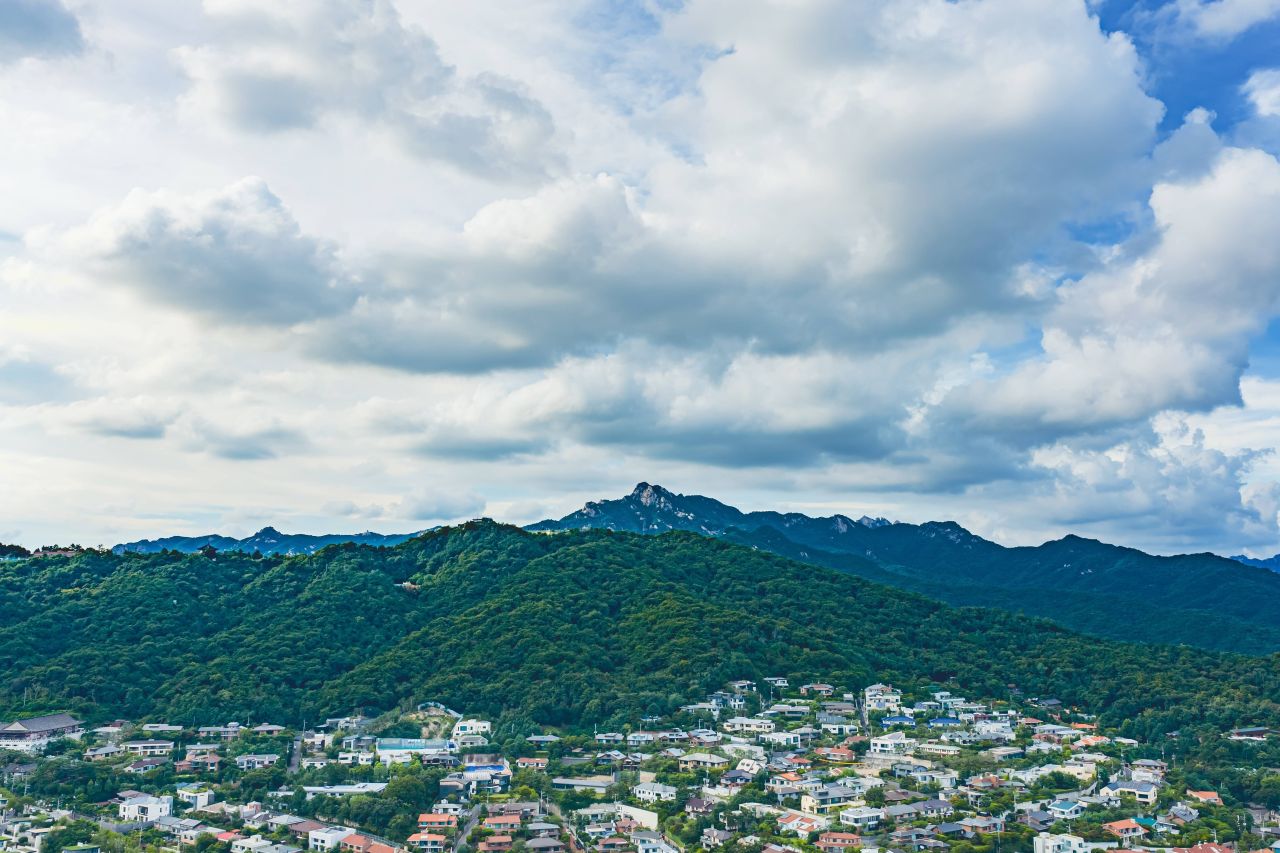
Quick Comparison: Top Bukhansan Trails & Nearby Spa Recovery Spots
To help you design your day trip according to your physical fitness level and preferences, here is a quick overview of Bukhansan's top trails and post-hike wellness spots:
Local Insight: Weekend hiking crowds peak between 10:00 AM and 1:00 PM. Start your ascent before 8:30 AM to enjoy quiet trails, peaceful summit photo ops at Baegundae Peak, and easy walk-ins at mountain-base spas.
1. Choosing Your Bukhansan Trail Route
Bukhansan offers dozens of interconnected paths, but foreign visitors and locals alike generally focus on two primary experiences: summiting the highest peak or strolling the scenic lower forest ring.
(Photo: Source - Korea Tourism Organization, KOGL Type 1)

Route A: Baegundae Peak Trail (The Classic Summit Challenge)
- Distance: ~6.8 km (Round trip)
- Duration: 3.5 to 4.5 hours
- Difficulty: Moderate to Challenging (Requires sturdy footwear)
- Starting Point: Bukhansanseong Fortress Information Center (북한산성탐방지원센터)
This is the ultimate Bukhansan pilgrimage. Starting from the main Western entrance, the trail follows a paved stream-side path before climbing steeply through wooden stairs and stone staircases up to Baegundae Peak (백운대, 836m). The final 300 meters involve gripping steel cable ropes installed directly into smooth granite rock surfaces. Standing atop the summit alongside the Korean flag with all of Seoul sprawling beneath your feet is an unforgettable adrenaline thrill.
If you are planning your mountain adventures in Korea, check out our Seoul K-Hiking Guide (2026) for detailed gear checklists and trail etiquette. For hassle-free transportation and professional navigation, you can also Reserve Bukhansan Guided Hiking Tour on Klook.
Route B: Bukhansan Dulle-gil (The Relaxing Forest Stroll)
- Distance: Flexible (Sections 1 to 3 span ~7.5 km)
- Duration: 2 to 3 hours
- Difficulty: Easy (Suitable for families and casual walkers)
- Starting Point: Northern Ui-dong Valley (북한산 우이동)
If steep rock climbs aren't your style, the Bukhansan Dulle-gil (북한산 둘레길) is a low-altitude perimeter trail that curves around the mountain's foot. Sections 1 (Pine Tree Path), 2 (Pilgrim's Path), and 3 (White Cloud Path) offer shaded wooden boardwalks, gentle dirt tracks, peaceful pine groves, and historical monuments. It's the ideal option if you want to soak in fresh mountain air without intense knee strain.
(Photo: Source - Korea Tourism Organization, KOGL Type 1)

2. Foreigner Service Hack: Free Hiking Gear Rental at Seoul Hiking Tourism Center
One common reason international travelers hesitate to hike in Korea is the lack of proper outdoor gear in their luggage. Fortunately, the Seoul Metropolitan Government runs the Seoul Hiking Tourism Center (서울 도심 등산관광센터), designed specifically to assist foreign visitors.
Located both at Ui-dong (at the foot of Bukhansan) and near Gwanghwamun/Line 5, these state-of-the-art facilities offer:
Seoul Hiking Tourism Center (Ui Branch) Key Details:
- Address: 1st Floor, 52 Samyang-ro 173-gil, Gangbuk-gu, Seoul (Line Ui-dong Stn Exit 2)
- Hours: Tuesday - Sunday 09:00 - 18:00 (Closed Mondays)
- Rental Requirement: Foreign Passport or Alien Registration Card (ARC)
- Advance Reservation: Recommended via Seoul Tourism official website or on-site walk-in (first-come basis)
Make sure you stay connected throughout your trail walk by grabbing a Book Unlimited South Korea eSIM & SIM Card on Klook to easily use Naver Map and emergency location tracking.
3. Post-Hike Recovery: Best Spas, Jjimjilbang & Foot Baths Near Bukhansan
The true Korean mountain experience only begins after you complete your descent. Soothing overworked leg muscles in mineral hot water, detoxing in heated clay kilns, and enjoying traditional Korean body treatments are mandatory local rituals.
(Photo: Source - Korea Tourism Organization, KOGL Type 1)
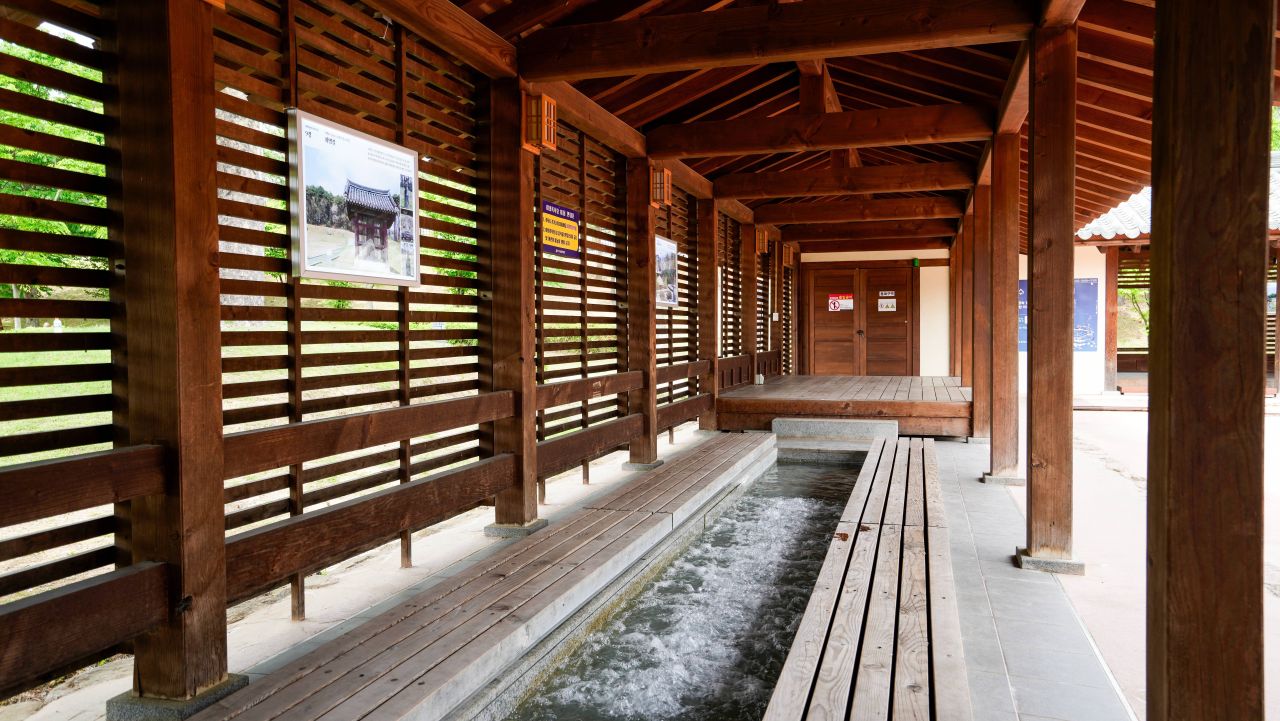
1. Traditional Mountain-Base Jjimjilbang & Seshin Scrub
Located near Gupabal Station and Bukhansanseong main entrance are classic neighborhood Jjimjilbang (Korean bathhouses). Here you can:
- Soak in 42°C hot herbal baths infused with green tea, mugwort, or germanium minerals.
- Request a traditional Seshin (세신 / Korean full-body exfoliating scrub) for ~25,000–35,000 KRW. Experienced scrub masters remove dead skin cells and leave your skin remarkably smooth.
- Nap in heated charcoal room kilns (Bulgama) or salt rooms.
2. Hanbang Herbal Foot Bath Spas (Jokyok)
For a gentler relaxation option, visit a local foot bath lounge. Slipping your feet into warm wooden tubs infused with ginseng, dried citrus peel, and mugwort while sipping hot barley tea accelerates blood circulation and reduces calf swelling. For more teahouse recommendations across the city, read our guide on Seoul Healing Foot Bath Spas & Hanbang Herbal Tea Houses Guide (2026).
3. Luxury Forest View Thermal Spa: Paraspara Resort Spa
If you prefer a premium wellness experience, Paraspara Seoul (located at the Ui-dong entrance of Bukhansan) features outdoor infinity hot pools, mineral saunas, and indoor thermal pools surrounded by lush pine forests. You can easily Browse Seoul Spa & Jjimjilbang Vouchers on Klook to compare luxury day-spa passes across Seoul.
4. The Essential Dining Ritual: Makgeolli & Haemul Pajeon
In Korean outdoor culture, hiking without post-hike food is considered incomplete! The base of Bukhansan is lined with dozens of rustic, open-air Korean restaurants specialized in rewarding tired hikers.
What to Order:
Local Etiquette: Cheers by tapping brass bowls together and holding your bowl with both hands when receiving a refill from companions.
5. Transit & Access Guide (2026)
Getting to Bukhansan from central Seoul is fast, cheap, and convenient via public transport.
If you are exploring other historic mountain fortresses around the capital, don't miss our comprehensive guide on Namhansanseong Fortress Day Trip Guide (2026) or our sunset walk guide on Inwangsan & Seochon Scenic Hiking Guide (2026).
6. Practical 2026 Travel Tips & Safety Checklist
- Sturdy Footwear is Essential: Bukhansan's granite rocks are notoriously slick, especially when wet or covered in fallen leaves. Avoid smooth-soled sneakers.
- Pack Sufficient Water: Bring at least 1 to 1.5 liters of water per person. Mountain ridge stalls are non-existent above the lower temples.
- Pack Snacks & Trash Bags: Carry energy bars or fruit, and always bring your trash back down with you.
- Emergency Number: If injured on the trail, dial 119 (Korea Emergency Services) or look for numbered yellow trail rescue location posts (119 Mountain Rescue Location Markers) along the path.
- T-Money & Transit: Use your T-money card or Climate Card for seamless transfers between subways and mountain feeder buses.
By combining the rugged beauty of Bukhansan's granite peaks with the soothing relaxation of traditional Korean spas and mountain dining, you will unlock one of the most authentic and refreshing day trips Seoul has to offer. Pack your boots, embrace the trail, and enjoy the summit!


