Seoul K-Hiking Guide (2026): Free Gear Rental, Best Beginner Trails (Inwangsan & Bukhansan) & Local Tips
As a local living in Seoul, I often watch travelers arrive in our vibrant city carrying heavy suitcases packed with clothes, only to realize they left their hiking gear back home. They gaze up at the stunning granite peaks surrounding Seoul and wonder if scaling these majestic summits is out of reach.
Here is the secret: you do not need to pack heavy hiking boots or bulky trekking poles in your luggage to experience Korea's famous outdoor culture. Seoul is one of the very few global capitals where high-altitude mountain trails connect directly to the subway network, and the city provides dedicated rental centers specifically designed for international visitors.
Whether you want a casual 2-hour sunset walk along an ancient fortress wall or a rewarding climb up jagged granite cliffs, this guide walks you through renting gear, navigating trailheads, and celebrating your hike like a true Seoulite.
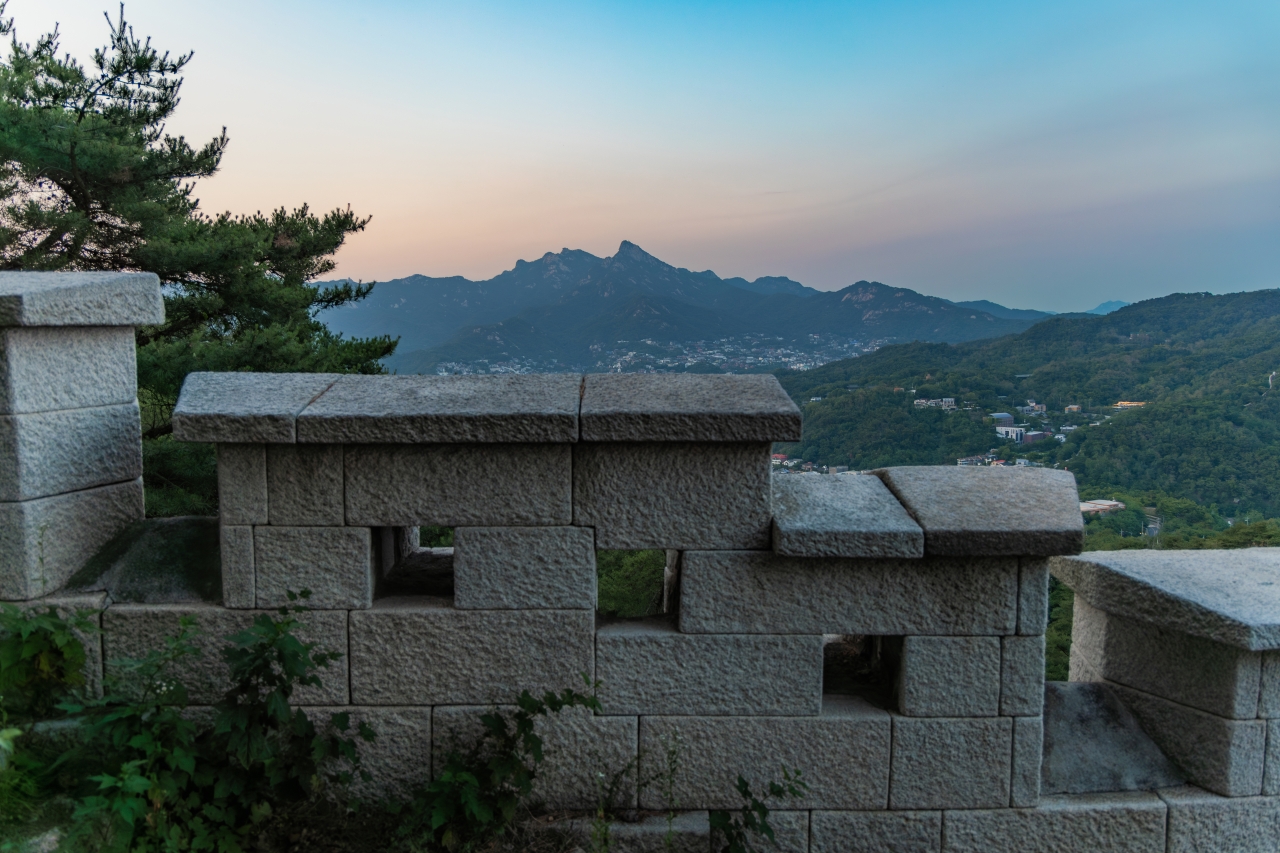
Photo source: Korea Tourism Organization (Photo Gallery)
1. Why "K-Hiking" Is Taking Over International Itineraries
Hiking in Korea—locally known as Deung-san—is far more than simple physical exercise. It is a deeply social cultural ritual that combines nature, cutting-edge urban infrastructure, and legendary post-hike culinary rewards.
In 2026, Seoul Metropolitan Government data confirmed a massive surge in international visitors taking to local trails. Places like Inwangsan, Bugaksan, and Bukhansan have become top-tier cultural highlights right alongside Myeongdong or Gyeongbokgung Palace.
Urban Mountains Connected Directly by Subway
Unlike national parks in North America or Europe that require renting a car or booking long intercity shuttles, Seoul’s trailheads sit right next to downtown subway stations.
You can finish a morning cup of coffee in Anguk or Seongsu, hop on the train, and reach a mountain entrance within 20 to 30 minutes. If you already hold the Seoul Climate Card, your unlimited transit pass covers your subway rides straight to the trailhead gates.
Zero-Gear Travel: Free & Cheap Hiking Rental Infrastructure
The biggest obstacle for foreign travelers has always been gear. Traveling across continents with stiff hiking boots takes up precious luggage space.
Recognizing this, Seoul established official hiking tourism centers equipped with top-tier rental equipment, clean locker storage, and changing rooms. You can literally show up in everyday street clothes, get fitted with professional hiking boots and technical outerwear, and step onto the trail fully prepared.
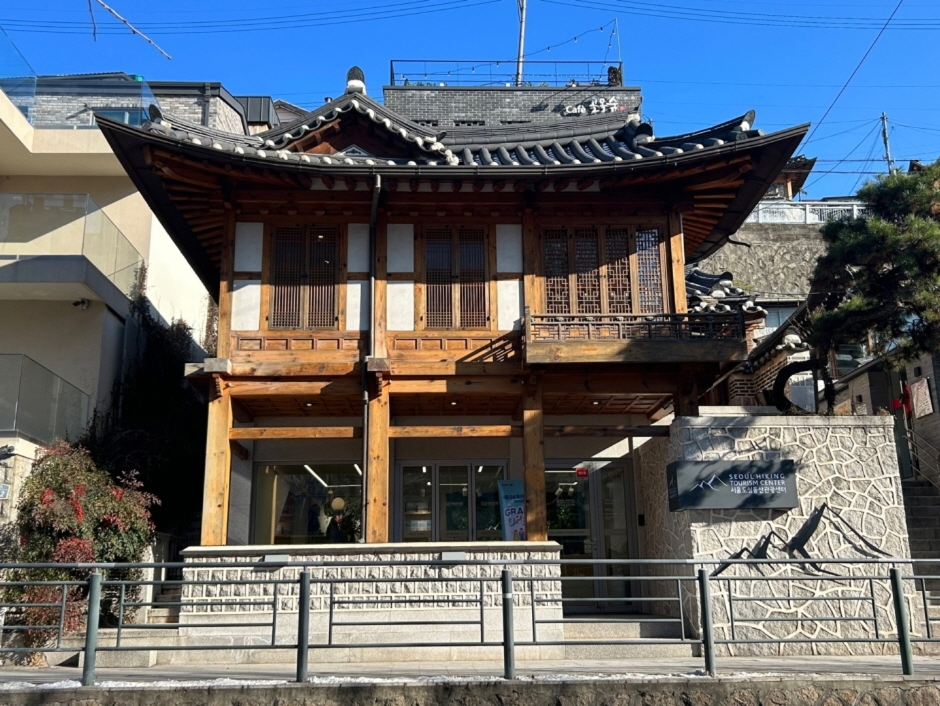
Photo source: Korea Tourism Organization / Seoul Hiking Tourism Center
2. How to Rent Gear at Seoul Hiking Tourism Center
Seoul operates dedicated hiking hubs tailored specifically to foreign tourists and international residents. The two main locations sit near the city's most famous hiking routes: Gwanghwamun (Bugaksan branch) and Ui-dong (Bukhansan branch).
Locations & Access Details
- Gwanghwamun Branch (Bugaksan/Inwangsan Hub):
- Location: 88 Samcheong-ro, Jongno-gu, Seoul (Near Gyeongbokgung and Samcheong-dong)
- Best For: Hikers exploring Inwangsan, Bugaksan, and the Seoul City Wall trail.
-
Operating Hours: Tuesday to Sunday, 09:00 - 18:00 (Closed Mondays).
-
Bukhansan Branch (Ui-dong Hub):
- Location: 5F, 181-7 Ui-dong, Gangbuk-gu, Seoul (Directly outside Bukhansan Ui Station, Ui-Sinseul LRT Line)
- Best For: Adventurers aiming for Baegundae Peak in Bukhansan National Park.
- Operating Hours: Tuesday to Sunday, 09:00 - 18:00 (Closed Mondays).
Available Equipment & Rental Fees
The rental centers stock modern equipment from leading Korean outdoor brands in a full range of international sizes.
- Hiking Boots: Cleaned and sanitized after every single use (Sizes 220mm to 300mm EU/US equivalents). Fee: approx. 2,000 KRW to 5,000 KRW ($1.50 - $3.80 USD).
- Trekking Clothing: Windbreaker jackets and outdoor hiking pants. Fee: approx. 2,000 KRW to 5,000 KRW.
- Trekking Poles & Backpacks: Available for optional add-on rentals (approx. 1,000 KRW each).
- Locker & Shower Facilities: Free day storage for your street clothes, luggage, and personal items while you hike.
How to Reserve Your Gear
- Online Pre-booking: Visit the official Seoul Hiking Tourism website before your trip to reserve your exact boot size and rental date.
- On-Site Walk-In: Walk-ins are welcomed if rental stock permits. Bring your physical passport or foreign registration card to verify your tourist status.
- Gear Fitting: Staff members speak English, Japanese, and Chinese. They will assist you with proper boot fitting and provide free printed trail maps.
3. Trail #1: Inwangsan Mountain (The Ultimate Beginner Sunset Hike)
If you are looking for maximum visual impact with minimal physical strain, Inwangsan is my absolute top recommendation for first-time visitors. Rising 338 meters above downtown Seoul, this rocky peak offers an unmatched vantage point overlooking Gyeongbokgung Palace, N Seoul Tower, and the Blue House.
Route Overview & Transportation
- Distance: Approx. 3.5 km round trip
- Duration: 1.5 to 2 hours
- Difficulty Level: Easy to Moderate (Stairs and paved wooden paths)
- Starting Point: Gyeongbokgung Station (Subway Line 3), Exit 1.
From Exit 1, walk straight for 10 minutes past Sajik Park and follow the posted English signage leading up toward the Inwangsan Weather Station trailhead.
Highlights: Ancient City Walls & Golden Hour Skyline
The defining feature of Inwangsan is the historic Hanyangdoseong (Seoul City Wall), built during the Joseon Dynasty in 1396. The hiking trail runs directly alongside these ancient stone ramparts.
As you ascend the wooden stairs along the mountain ridge, the city opens up beneath you. You will look straight down into the central courtyard of Gyeongbokgung Palace and see the modern skyscrapers of Jongno framing historic tiled roofs.
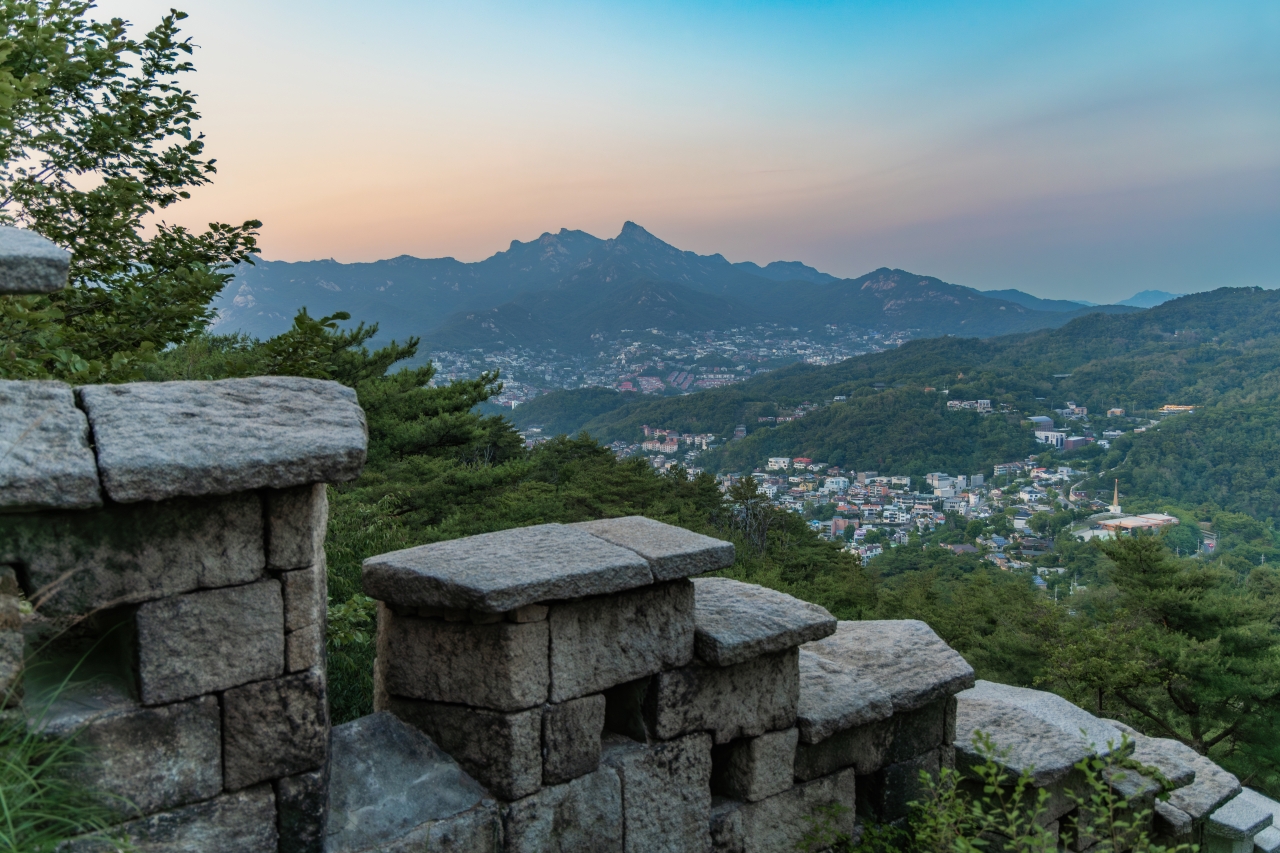
Photo source: Korea Tourism Organization (Photo Gallery)
Local Tip for Inwangsan
Start your climb roughly 75 minutes before sunset. Reaching the summit ridge during golden hour rewards you with a dramatic transformation as Seoul lights up for the night. Bring a light windbreaker jacket, as the ridge wind can feel crisp once the sun dips below the horizon.
4. Trail #2: Bukhansan National Park (The Iconic Granite Peak Challenge)
For travelers seeking a true alpine challenge, Bukhansan National Park is Seoul's natural crown jewel. Holding the Guinness World Record for the most visited national park per unit area, Bukhansan features dramatic granite summits, hidden Buddhist temples, and pine-scented mountain valleys.
Route Overview: Baegundae Peak Trail
- Distance: Approx. 8.4 km round trip
- Duration: 4 to 5 hours
- Difficulty Level: Moderate to Advanced (Steep rocky inclines and cable-assisted climbs)
- Starting Point: Bukhansan Ui Station (Ui-Sinseul Line), Exit 2.
From Bukhansan Ui Station, stop by the Bukhansan Hiking Tourism Center right at the station exit to grab your rental gear and water. Take a short 5-minute taxi ride or walk to the Baegundae Information Center trailhead.
Key Highlights along the Climb
- Harujae Pass: The first major checkpoint where lush forest paths transition into rugged stone steps.
- Baegungmun Gate: An ancient stone fortress gate constructed in 1711 to guard the northern defense line of Seoul.
- Baegundae Peak (836m): The highest point in Seoul. The final 200-meter climb requires holding onto steel safety cables anchored directly into giant granite rock faces. At the top, a giant South Korean flag flies over a panoramic 360-degree vista of the entire Seoul metropolitan area.
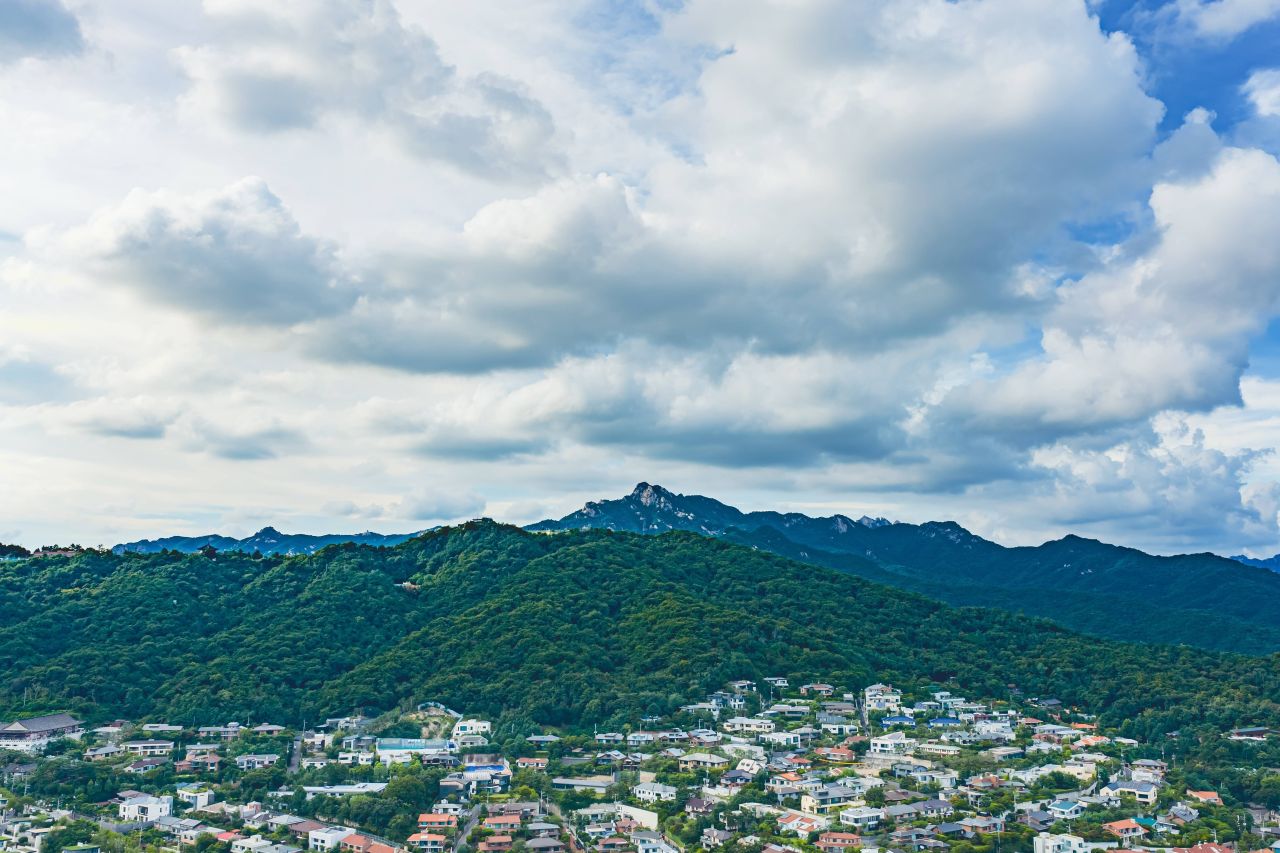
Photo source: Korea Tourism Organization (Photo Gallery)
Crucial Safety Rules for Bukhansan
- Footwear is Non-Negotiable: Never attempt Baegundae Peak in smooth-soled running sneakers or sandals. The granite surfaces are slick, so grippy hiking boots from the rental center are mandatory.
- Hydration & Timing: Carry at least 1.5 liters of water per person. Start no later than 10:00 AM so you complete your descent long before dark.
5. Local Hiking Etiquette & The Post-Hike Feast
To enjoy K-hiking like a local, adopting proper trail etiquette and participating in post-hike food traditions will make your experience unforgettable.
Trail Etiquette Essentials
- Friendly Greetings: When passing fellow hikers on narrow mountain stairways, a polite nod and a cheery "Annyeonghaseyo" (Hello) is warm local tradition.
- Yielding Rules: Ascending hikers always have the right-of-way on steep rocky climbs. Step aside safely to let upward hikers maintain their rhythm.
- Leave No Trace: Carry all your trash back down with you. Public trash bins are intentionally omitted on mountain trails to protect local wildlife.
The Ultimate Reward: Pajeon & Chilled Makgeolli
In Korea, no hike is truly complete until you sit down at a traditional eatery at the foot of the mountain. Korean hikers treat the post-descent meal as a mandatory celebration.
Look for cozy village restaurants near the trailhead displaying menus for Haemul Pajeon (crispy seafood and green onion pancake) and Makgeolli (traditional Korean sparkling rice wine served in brass bowls).
The savory, piping-hot pancake combined with refreshing, ice-cold rice wine instantly restores your energy and lets you soak in the festive atmosphere among local hiking clubs.

Photo source: Korea Tourism Organization (Photo Gallery)
Final Checklist for Your Seoul Hiking Adventure
Before you lace up your boots and head out, review this simple pre-hike checklist:
- Passport: Carry physical identification for hiking gear rentals at Gwanghwamun or Ui-dong.
- Transportation Card: Charge your Seoul Climate Card or T-money card for effortless subway access.
- Weather Check: Check local rainfall forecasts; granite rocks become extremely slippery when wet.
- Hydration & Snacks: Pack water and simple energy snacks (like Korean gimbap or energy bars).
Hiking in Seoul opens up a side of South Korea that many urban tourists completely miss. Within a single afternoon, you can walk along 600-year-old stone walls, stand atop majestic mountain peaks, and share a table with welcoming locals over hot seafood pancakes. Put on your rented boots and enjoy Seoul from above!


