Seongsu-dong Pop-Up Store Survival Guide (2026): How to Reserve, Queue & Shop Seoul’s Trendiest Hotspot
As a local living in Seoul, Seongsu-dong is the neighborhood I visit whenever I want to feel the immediate pulse of Korean pop culture and street fashion.
Just a decade ago, Seongsu was primarily an industrial area packed with shoe-making workshops, auto-repair garages, and red-brick factories. Today, it has transformed into what global magazines call the "Brooklyn of Seoul"—a thriving epicenter of creative culture, concept stores, and temporary pop-up exhibitions.
On any given weekend, dozens of international luxury houses, K-beauty brands, anime franchises, and tech giants host limited-time pop-up stores across Seongsu.
However, visiting Seongsu without a plan can mean spending three hours standing in lines or getting turned away at the door. In this guide, I will share practical local tips on how to navigate digital queuing kiosks, locate the best flagship spaces, and build the perfect Seongsu itinerary.
Why Seongsu-dong is the Brooklyn of Seoul
What makes Seongsu unique compared to traditional shopping districts like Myeongdong or Gangnam is its raw architectural contrast.
Instead of demolishing old industrial structures, architects and designers in Seongsu converted former leather tanneries and printing presses into high-ceiling galleries and open-air retail spaces.
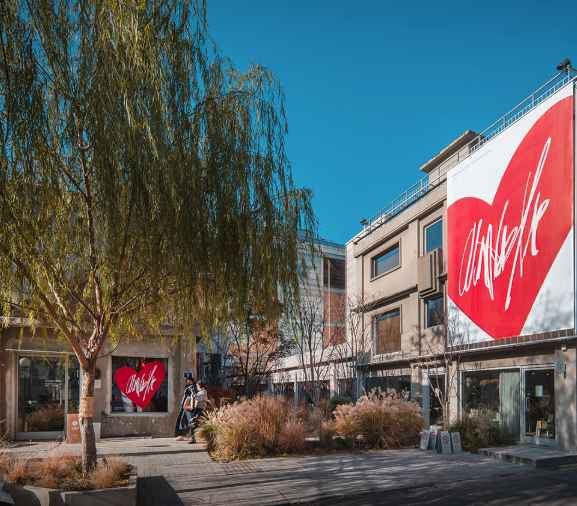
(Photo: Source - Korea Tourism Organization, KOGL Type 1)
Walking down the alleyways near Seongsu Station (Subway Line 2), you will spot exposed concrete walls paired with sleek glass storefronts, creating a aesthetic blend of vintage Seoul and futuristic design.
Pop-up stores here change almost weekly. A building that hosts an immersive cosmetics installation today might transform into a limited-edition sneaker release hall next Tuesday.
How Pop-Up Store Queuing Works in 2026 (For Expats & Travelers)
The biggest surprise for international travelers arriving in Seongsu is the digital waiting system. Most popular pop-ups do not maintain traditional physical lines down the sidewalk.
1. On-Site Tablet Kiosks & Catchtable Global
When you approach a major pop-up store, look for a digital tablet kiosk near the entrance managed by staff members.
- How to Register: You enter your mobile phone number and the number of guests in your party.
- Foreign Phone Number Support: Modern Catchtable kiosks accept international country codes or allow you to enter an email address / KakaoTalk ID to receive real-time queue status notifications.
- Queue Tracking: Once registered, you will receive a digital ticket number showing how many teams are ahead of you. You are free to walk around, grab a coffee, or explore other shops while waiting for your SMS alert.
2. Walk-Ins vs. Pre-Registration Secrets
Pop-up stores in Seongsu generally use two entry methods:
- Pre-Registration (Naver Booking): Extremely popular pop-ups (such as limited idol merchandise or luxury brand collaborations) open online pre-registrations on Naver weeks in advance. These usually sell out within seconds.
- On-Site Walk-In Slots: Nearly 80% of Seongsu pop-ups allocate a portion of daily capacity for walk-in visitors who register at the physical kiosk on the day of their visit.
Local Tip: Arrive in Seongsu around 10:30 AM before most stores open at 11:00 AM. Register your phone number at your top 2 priority pop-ups first, then enjoy breakfast while waiting for your entrance notification.
Top 3 Must-Visit Flagship & Cultural Spaces in Seongsu
Even if you don't book any temporary pop-up tickets in advance, these permanent flagship spaces offer incredible visual experiences year-round.
1. Dior Seongsu (디올 성수)
Dior Seongsu is arguably the most photographed building in Mapo and Seongdong districts. Designed as a glass-structure tribute to the brand's historic Paris headquarters at 30 Avenue Montaigne, it features an open-air garden, luxury boutique, and seasonal lighting displays.
- Location: 7 Yeonmujang 5-gil, Seongdong-gu, Seoul
- Visitor Tip: You can walk around the glass exterior and courtyard freely for photos without a boutique booking reservation.
2. Musinsa Seongsu & Fashion Hubs (무신사)
Musinsa is Korea’s premier online fashion platform, and Seongsu is its offline playground. Spaces like Musinsa Empty and Musinsa Terrace showcase curated collections from emerging Korean streetwear designers that you cannot find anywhere else in Asia.
- Vibe: Avant-garde streetwear, futuristic interior displays, and exclusive sneaker drops.
3. Daelim Changgo & Industrial Art Cafes (대림창고)
Before Seongsu became a retail hotspot, Daelim Changgo paved the way. Housed in a massive 1970s rice mill, this cavernous space retains its original wooden roof trusses and brick walls, now filled with large kinetic art sculptures and an in-house coffee roastery.
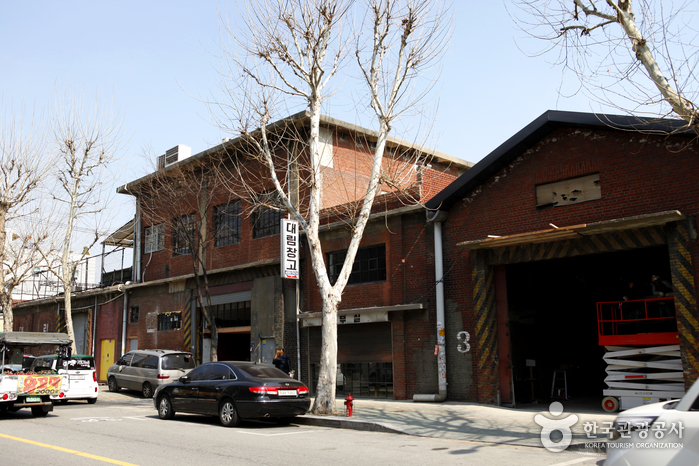
(Photo: Source - Korea Tourism Organization, KOGL Type 1)
- Average Coffee Price: ₩6,000 – ₩7,000
- Local Tip: Walk inside to admire the wooden art installations near the main entrance even if you are just passing through the neighborhood.
Neighborhood Route: Pairing Seongsu Pop-Ups with Cafes & Seoul Forest
Exploring Seongsu is best done on foot. Here is a route that connects pop-up alleys with green relaxation spots.
Seongsu Station Exit 4 → Yeonmujang-gil Pop-Up Street → Daelim Changgo Cafe → Seoul Forest Park
1. Exploring Yeonmujang-gil (연무장길)
Yeonmujang-gil is the primary artery of Seongsu. This 1-kilometer street is lined with flagship stores, beauty sampling stations, artisanal bakeries, and popup venues. Take your time strolling in and out of open courtyards.
2. A 15-Minute Walk to Seoul Forest Park (서울숲)
When you need a break from crowded retail spaces, head west toward Seoul Forest Park. Spanning over 1.1 million square meters, Seoul Forest offers peaceful walking trails, ginkgo tree groves, and a picturesque deer sanctuary.

(Photo: Source - Korea Tourism Organization, KOGL Type 1)
Local Secrets for a Stress-Free Seongsu Visit
- Best Days to Visit: Tuesday through Thursday mornings offer the lowest crowds. Avoid Saturday afternoons when local college students and weekend crowds flood the main street.
- Transit & Access: Take Subway Line 2 to Seongsu Station (Exit 3 or 4) or Ttukseom Station Exit 8.
- Luggage Storage: Convenient coin and app-managed luggage lockers are located inside Seongsu Station (Line 2) so you can shop hands-free.

