As a Local: Ultimate Seochon Village & Inwangsan Scenic Walking Trail Guide (2026): Historic Alleys, Cafe Spots & Sunset Hike
As a local living in Seoul, people often ask me where to go when they want to escape the crowded tourist hubs like Myeongdong or Bukchon Hanok Village. My answer is always the same: head to Seochon and climb Inwangsan Mountain. Located just west of Gyeongbokgung Palace, Seochon (literally translating to West Village) offers a quieter, more authentic glimpse into Seoul's creative side. Here, centuries-old traditional Hanok houses sit alongside modern art galleries, cozy indie bookstores, and local bakeries.
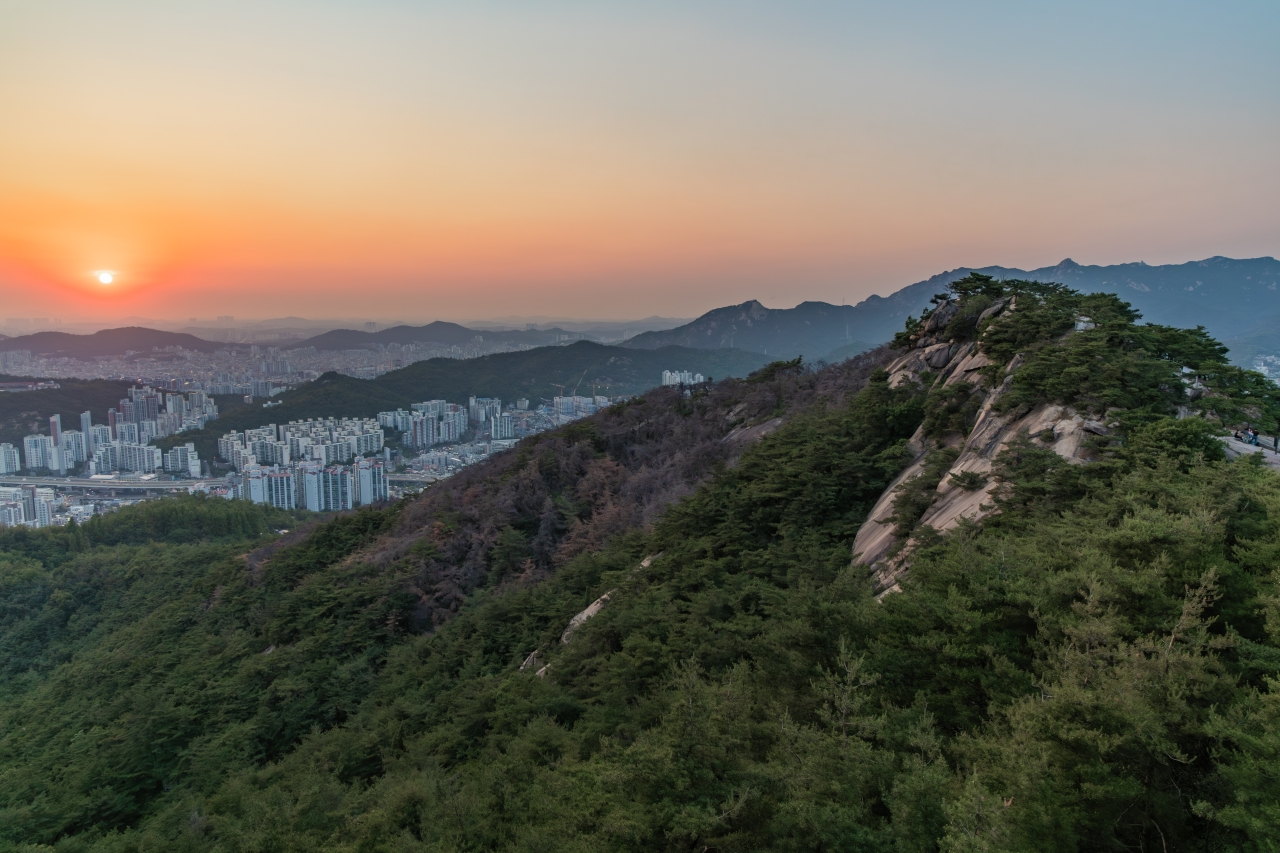
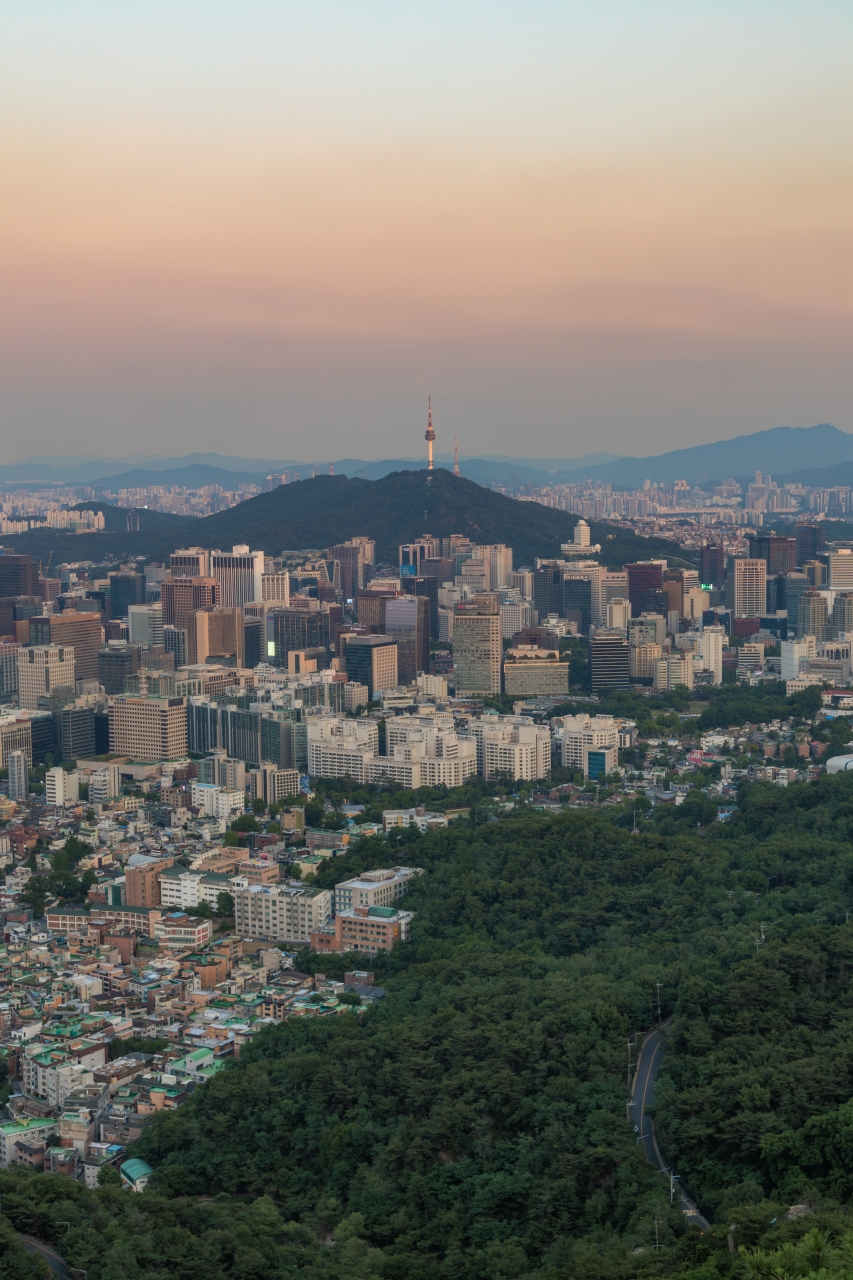
What makes Seochon truly special is its seamless connection to nature. In less than twenty minutes of walking through historic alleys, you find yourself at the foot of Inwangsan Mountain. Standing at 338 meters high, Inwangsan features the ancient Seoul City Wall (Hanyangdoseong) snaking across its granite ridges. It offers one of the most breathtaking sunset panoramas of the entire Seoul skyline, including N Seoul Tower, Gyeongbokgung, and the Blue House.
If you plan on exploring Gyeongbokgung Palace before heading into Seochon, consider reserving a traditional Korean costume in advance through a verified Gyeongbokgung Hanbok Rental Pass on Klook.
In this comprehensive 2026 local guide, I will walk you through the ultimate half-day or full-day itinerary. You will learn how to navigate Seochon’s secret alleys, eat like a local at Tongin Market, hike the Inwangsan fortress trail, and wrap up your evening with Korean pancakes and chilled Makgeolli.
Essential Visitor Logistics & How to Get There (2026)
Getting to Seochon and Inwangsan is remarkably straightforward via Seoul’s efficient public transit system. The entire neighborhood is walkable, making it ideal for travelers who enjoy exploring on foot.
How to Access Seochon
- Subway: Take Seoul Subway Line 3 (Orange Line) to Gyeongbokgung Station. Take Exit 2 or Exit 3.
- Exit 2: Leads directly into the main Seochon commercial street and Sejong Village Food Street.
- Exit 3: Takes you toward Jahamun-ro, perfect for visiting Ground Seesaw Seochon gallery and indie cafes.
- Bus: Buses 1020, 7022, or 7212 drop you right off at Tongin Market or Jahamun-ro.
Recommended Timing & Ideal Itinerary
The best time to start this walking route is in the late afternoon around 2:30 PM or 3:00 PM. This timing allows you to explore Seochon's cafes and Tongin Market during peak hours, climb Inwangsan during the cooler golden hour, and catch the sunset over Seoul at the summit around 7:00 PM.
| Time | Itinerary Stop | Key Highlights | Estimated Cost / Admission |
|---|---|---|---|
| 2:30 PM - 3:30 PM | Seochon Hanok Alley & Cafe Hopping | Dae-o Bookstore, Ground Seesaw gallery, local Hanok bakeries | Free / Cafe drinks (~6,000 KRW) |
| 3:30 PM - 4:30 PM | Tongin Market (통인시장) | Yeopjeon brass coin lunchbox, oil tteokbokki, traditional snacks | 5,000 ~ 10,000 KRW |
| 4:30 PM - 5:00 PM | Suseongdong Valley (수성동계곡) Walk | Historic stream, mountain entrance, Jeong Seon landscape painting view | Free admission |
| 5:00 PM - 7:00 PM | Inwangsan Mountain Fortress Hike | Seoul City Wall trail, Beomawawi (Tiger Rock) summit, golden hour sunset | Free admission |
| 7:30 PM - 9:00 PM | Sejong Village Food Street Supper | Post-hike Pajeon (scallion pancake), grilled pork, chilled Makgeolli | 15,000 ~ 25,000 KRW per person |
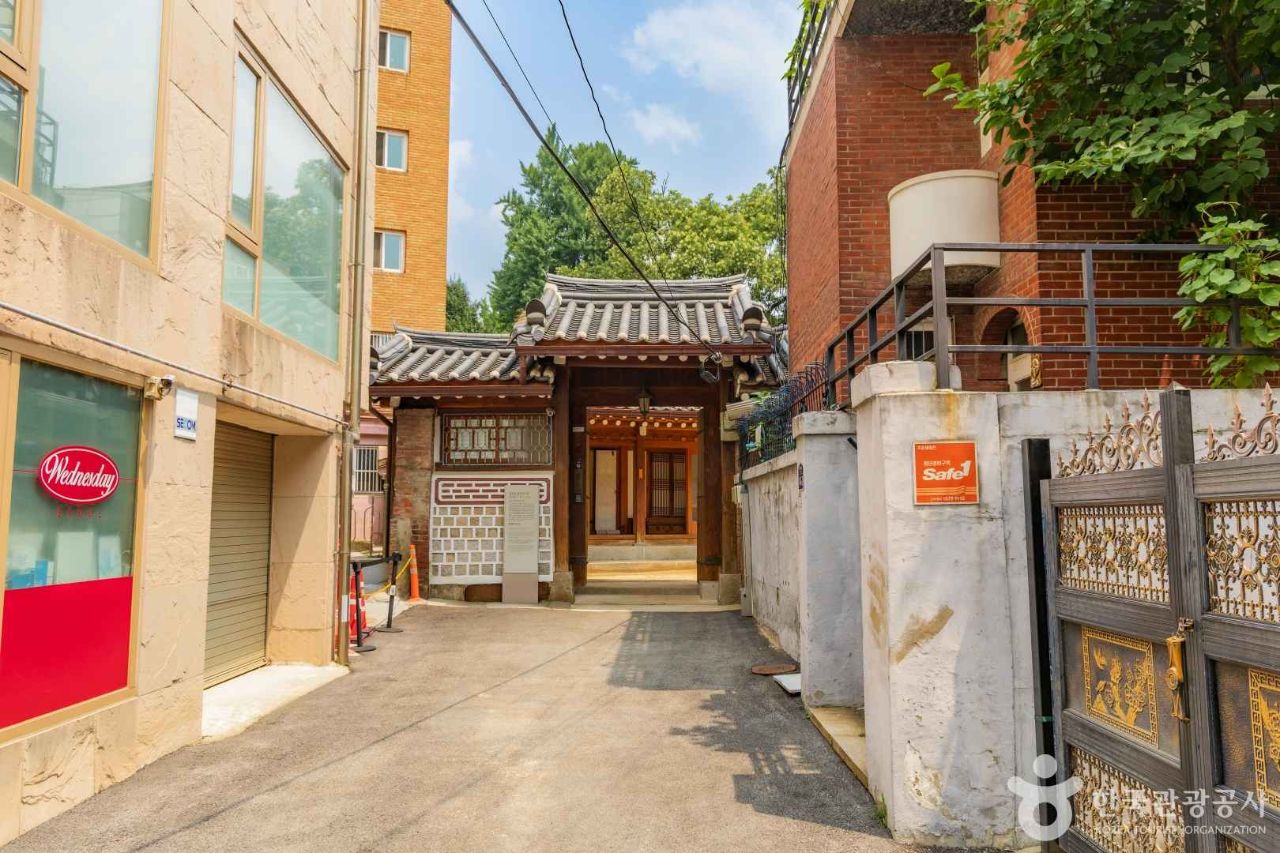
Historic Hong Geon-ik Hanok House preserved in Pil-undong, Seochon Village. Photo Credit: Ahn Young-kwan / Korea Tourism Organization (KOGL Type 1)
Step 1: Wandering Seochon’s Historic Hanok Alleys & Artisanal Cafes
Unlike Bukchon Hanok Village, which was heavily restored to preserve traditional noble housing, Seochon evolved organically over centuries. Historically, this area was home to middle-class citizens, court painters, writers, and scholars during the Joseon Dynasty. Today, that artistic spirit remains very much alive.
When I walked through Seochon last weekend, I was reminded of how quiet these residential narrow alleys remain despite being minutes away from major tourist landmarks. Small wooden signs point toward hidden ceramic workshops, independent print shops, and boutique cafes built directly inside converted Hanok structures.
Dae-o Bookstore (대오서점)
Located along Ogin-gil, Dae-o Bookstore is recognized as the oldest secondhand bookstore in Seoul, having opened its doors in 1951. While it no longer operates as an active bookstore, the original wooden facade, creaking floorboards, and retro interior have been carefully preserved as a heritage cafe. Pop music fans will also recognize it as the backdrop for K-pop artist IU's album cover shoot. Ordering a traditional tea or coffee grants you access to inspect the charming inner courtyard.
Ground Seesaw Seochon (그라운드시소 서촌)
For modern art enthusiasts, Ground Seesaw Seochon is a modern architectural masterpiece hidden behind Seochon’s traditional storefronts. The building features a circular courtyard surrounding a tranquil lily pond with birch trees stretching toward the open sky. The gallery regularly hosts world-class photography and design exhibitions. Even if you do not buy a ticket for the inner exhibition halls, walking through the central courtyard is open to the public.
Local Hanok Bakery Spots
Seochon is famous across Seoul for its independent bakeries. Make a quick stop at Tongin Sweet to sample their freshly baked egg tarts, known for their flaky crust and warm custard filling. If you prefer a peaceful coffee break on a garden terrace, walk over to Staff Picks, a spacious cafe with a lush lawn overlooking historic brick buildings. For seamless navigation through Seochon's labyrinthine alleys, ensure you pick up an Unlimited Korea 4G/5G eSIM on Klook before arriving.
Step 2: Tongin Market (통인시장) & The Famous Yeopjeon Coin Lunchbox Experience
After exploring Seochon’s art alleys, walk five minutes north to Tongin Market. Established in 1941 during the Japanese colonial period, Tongin Market originally served as a public market for local residents. Today, it is famous throughout Korea for its unique interactive dining concept: the Dosirak Cafe (Lunchbox Cafe).
How the Yeopjeon (Brass Coin) System Works
Instead of paying with paper cash or credit cards at individual food stalls, visitors buy traditional brass coins called Yeopjeon (엽전), which mirror the currency used during the Joseon Dynasty.
- Head to the Customer Center: Located on the second floor near the center of the market aisle.
- Buy Coin Bundles: Purchase a stack of 10 brass coins for 5,000 KRW (or 20 coins for 10,000 KRW). You will receive a black plastic lunchbox tray along with your coins.
- Explore the Stalls: Walk down the market corridor and look for vendors displaying the green "Dosirak Cafe" sign.
- Exchange Coins for Food: Most side dishes cost 2 to 3 coins (1,000 to 1,500 KRW). Simply select your items, hand over the coins, and the vendor will place the food directly into your lunchbox tray.
- Dine upstairs: Once your tray is full, return to the second-floor dining area. You can purchase rice and fresh soup for 2 coins each.
| Must-Try Item | Korean Name | Description & Flavor Profile | Coin Price |
|---|---|---|---|
| Oil Tteokbokki | 기름떡볶이 | Chewy rice cakes pan-fried in seasoned chili oil without thick sauce. Crispy on the outside, soft inside. | 2 ~ 3 Coins |
| Mayak Kimbap | 마약김밥 | Bite-sized mini seaweed rice rolls served with a tangy mustard dipping sauce. Highly addictive. | 2 Coins |
| Handmade Jeon | 수제전 | Pan-fried savory fritters filled with kimchi, minced pork, zucchini, or perilla leaves. | 2 ~ 3 Coins |
| Tteok-galbi | 떡갈비 | Grilled minced short-rib meat patties glazed with a sweet soy garlic reduction. | 3 Coins |