How Locals Experience: Seoul Healing Foot Bath Spas & Hanbang Herbal Tea Houses Guide (2026)
After wandering for hours through Seoul’s historic stone alleys and bustling traditional markets, your legs will inevitably ache. As someone who has spent over eight years exploring every corner of this city—from the quiet courtyards of Bukchon to the bustling medicine stalls of Dongdaemun—I have discovered that the ultimate local remedy is not a standard coffee shop break. It is Jokyok (족욕)—the traditional Korean herbal foot bath paired with a steaming cup of freshly brewed Hanbang-cha (Korean medicinal herbal tea).
Stepping into a serene Hanok courtyard, slipping your tired feet into a warm wooden basin infused with mugwort and dried citrus peel, and holding a warm cup of herbal tea is an experience deeply rooted in Korean wellness culture. In this guide, I will walk you through Seoul’s top authentic foot bath teahouses, complete with verified 2026 pricing, booking advice, and key local tips to help you unwind like a true Seoulite.
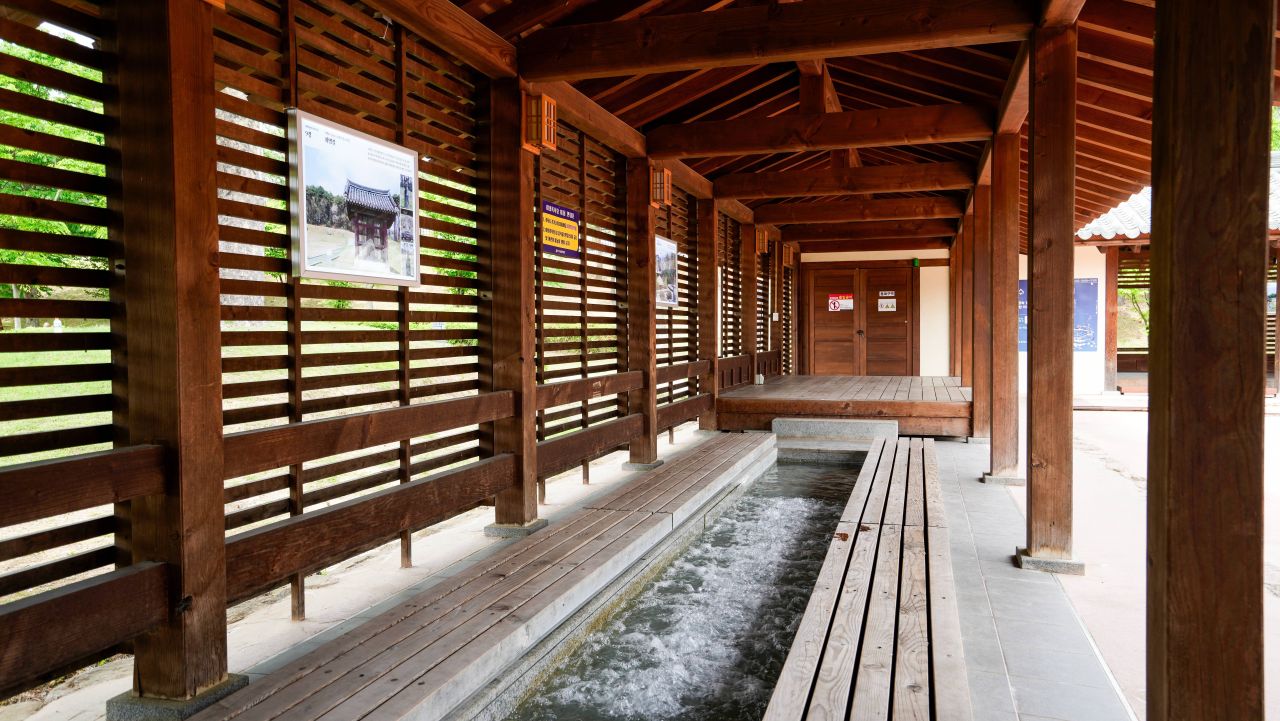
(Photo: Source - Korea Tourism Organization, KOGL Type 1)
Quick Comparison: Top Seoul Foot Bath & Herbal Teahouses
To help you decide which foot bath sanctuary fits your travel itinerary, here is a quick breakdown of Seoul's top spots:
Local Insight: Always wear pants or skirts that can be easily rolled up past your knees. All venues provide clean towels, hot water control, and drying cloths after your foot soak.
1. Seoul K-Medi Center (Dongdaemun): The Ultimate Hanok Rooftop Foot Bath & K-Wellness Hub
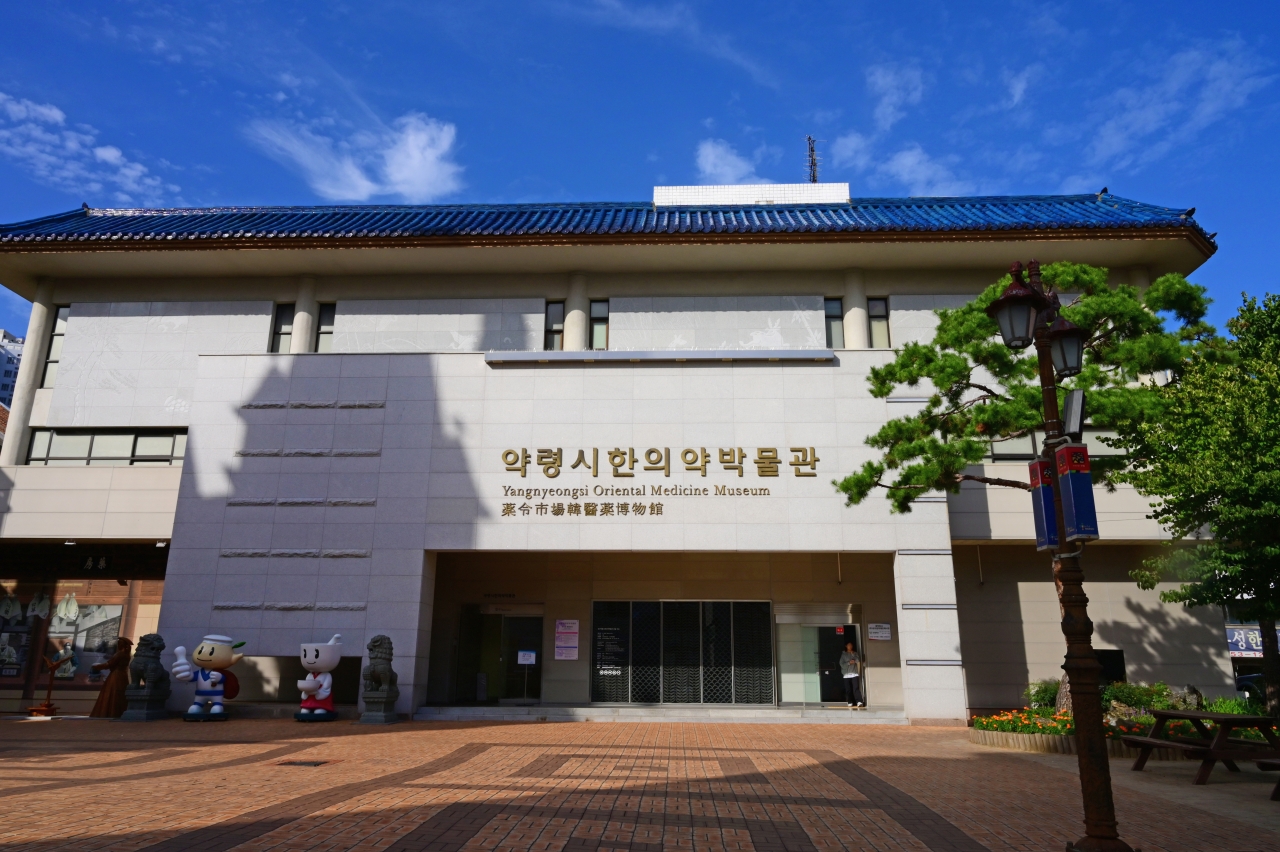
Located in the heart of Seoul’s historic Yangnyeongsi Market—the largest traditional oriental medicine market in Korea—the Seoul K-Medi Center (서울한방진흥센터) is a magnificent multi-story Hanok complex dedicated to preserving Korean traditional medicine (Hanui-hak).
The highlight of the center is its outdoor foot bath pavilion on the rooftop. Sitting under classic wooden Hanok eaves with a view over tiled rooftops while soaking your feet in warm water infused with medicinal herbs is pure bliss.
(Photo: Source - Korea Tourism Organization, KOGL Type 1)
The Foot Bath Experience & Medicinal Herb Infusions
When you sign up for a foot bath session, staff members prepare individual wooden tubs filled with hot water and add seasonal medicinal herb mixtures. Depending on the time of year, your soak may feature:
The foot soak lasts approximately 20 minutes. Floating dried herbs fragrance the air, creating a calming sensory ritual.
Bojewon Acupressure & Museum Combo Hacks
Do not limit your visit to just the foot bath. The center offers additional wellness programs that make for a full half-day outing:
- Bojewon K-Herb Thermal Massage: For a modest fee (~5,000 KRW), you can relax on heated acupressure mats while wearing herbal eye pillows and hand warmers.
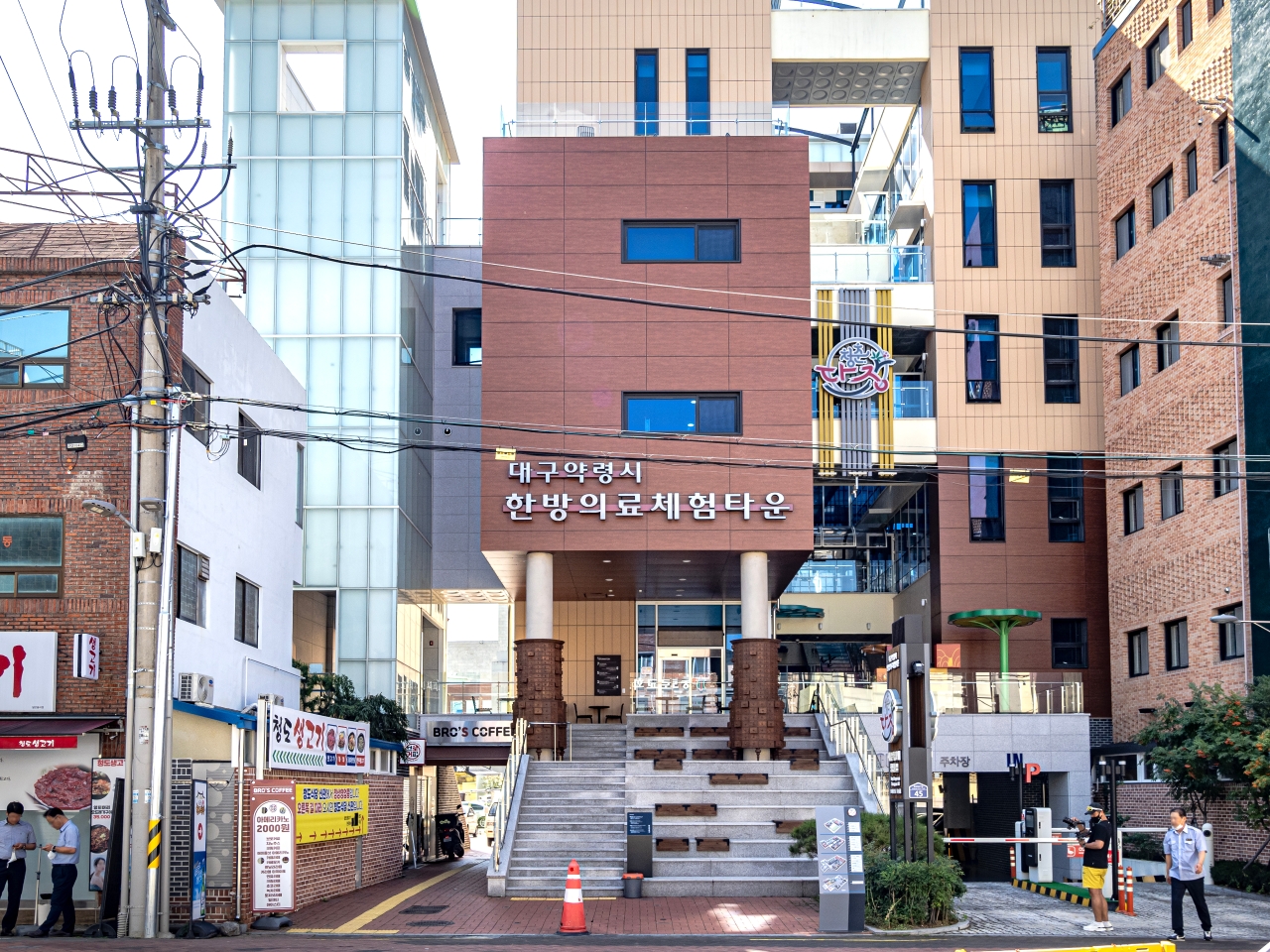
- Seoul Yangnyeongsi Herb Medicine Museum: Located on the 2nd floor, this interactive museum showcases centuries of traditional Korean medical history, rare medicinal plants, and interactive health quizzes.
(Photo: Source - Korea Tourism Organization, KOGL Type 1)
2026 Pricing, Hours & Booking Strategy
- Address: 26 Yangnyeongjungang-ro, Dongdaemun-gu, Seoul (서울 동대문구 약령중앙로 26)
- Subway Access: Line 1 Jegi-dong Station, Exit 2 (3-minute walk through the medicine market).
- Operating Hours: Tuesday to Sunday 10:00 - 18:00 (Closed Mondays).
- Foot Bath Pricing: 5,000 KRW per tub (holds up to 2 people).
- Booking Strategy: Weekday reservations can be made on-site or via telephone (+82-2-969-9241). On weekends, foot bath sessions operate on a strict first-come, first-served basis. I recommend arriving before 11:30 AM or right after lunch at 1:30 PM to secure a spot without a long wait. You can also explore available wellness activities in Seoul through Klook’s Seoul Wellness & Spa Search.
2. Tea Therapy (Bukchon / Anguk): Personalized Herbal Teas & Garden Foot Soaks
If you are exploring the narrow alleys of Bukchon Hanok Village or Samcheong-dong, Tea Therapy (티테라피) is an absolute must-visit sanctuary. Created by a licensed doctor of Korean Traditional Medicine, this charming Hanok teahouse modernizes ancient herbal remedies into approachable, delicious tea blends.
The Body-Type Tea Quiz & Custom Herbal Brews
Before enjoying your foot bath, you can fill out a simple English questionnaire to identify your current physical state and body type (Sasang Medicine balance). Based on your responses, the staff recommends a targeted herbal tea:
- For Chronic Fatigue: Energy Tea (blended with Korean ginseng and jujube).
- For Cold Feet & Poor Circulation: Warm Up Tea (featuring cinnamon, ginger, and dried orange peel).
- For Stress Relief & Eye Strain: Detox Tea (infused with dried chrysanthemum and mint leaves).
Each tea is served on a wooden tray alongside traditional dried jujube chips and sweet lotus root snacks.
Courtyard Foot Bath Basins & Booking Tips
Tucked in Tea Therapy's courtyard is an outdoor wooden counter equipped with foot bath tubs. While sipping your tea, you can submerge your feet in hot water seasoned with aromatic bath powders.
- Foot Bath Price: Add-on fee of ~5,000 KRW per person when ordering a tea beverage (~8,000 - 10,000 KRW).
- Location: 74 Yunboseon-gil, Jongno-gu, Seoul (Line 3 Anguk Station, Exit 1).
- Hours: Daily 10:00 - 21:00.
- Pro Tip: The outdoor foot bath area has limited seating (around 6 spots). Pre-booking your Seoul city walking and wellness tours via Klook Seoul Activities during peak afternoon hours ensures you won't have to wait during busy weekends.
3. Yakdabang Bomdong (Hongdae / Yeonnam): Urban Oriental Medical Healing Cafe
Tucked away in the trendy neighborhood of Yeonnam-dong near Hongdae, Yakdabang Bomdong (약다방 봄동) bridges the gap between youthful Seoul coffee culture and traditional Oriental medicine. Housed in a beautifully converted two-story red brick residential building, this cafe was established by a collective of young Korean medical doctors.
Herbalist Doctors Meets Hip Yeonnam Cafe Vibe
Unlike typical cafes where you order by beverage flavor, Yakdabang Bomdong asks how you feel. The menu is categorized by emotional and physical states:
Soothing Foot Soak Rituals
The ground floor features raised wooden foot bath platforms where guests can dip their feet into hot herbal soaks while enjoying their custom tea and warm steamed rice cakes (Tteok) served with sweet syrup.
- Address: 44-6 World Cup buk-ro 6-gil, Mapo-gu, Seoul (near Hongik Univ. Station Exit 3).
- Atmosphere: Quiet, contemplative, with large glass windows overlooking a serene garden. Ideal for travelers looking to escape the noise of Hongdae's street buskers.
4. Crucial Traveler Alert: Closed Spots to Avoid in 2026
When searching online for foot bath cafes in Seoul, you will likely encounter outdated blogs and guidebooks recommending Solgaheon (솔가헌) in Seochon.
Important Fact: Solgaheon is permanently closed. Do not make the trip to its former location in Bukchon/Seochon expecting a foot bath. If you are in the Bukchon/Anguk area, Tea Therapy is your closest and best alternative.
5. Local Foot Bath Etiquette, Dress Code & Hydration Hacks
To ensure a comfortable and smooth experience, keep these practical local tips in mind before visiting any foot bath establishment:
What to Wear & Towel Etiquette
- Clothing: Avoid tight skinny jeans or long rigid trousers. Opt for loose-fitting pants, wide-leg trousers, or skirts that easily pull up above your calves.
- Towels: Every reputable foot bath spot in Seoul provides clean, fresh towels. Place your towel on the bench while soaking, and dry your feet thoroughly before stepping onto the wooden floors.
- Hygiene: Always wash your feet at the designated rinse faucet before stepping into the main herbal soak tub.
Recommended Korean Herbal Teas to Try
Pairing your foot bath with the right herbal brew enhances circulation and thermal warmth:
- Ssanghwa-cha (쌍화차): A rich, dark herbal tea brewed from milkvetch root, angelica, and cinnamon. Traditionally served with pine nuts and dried jujube slices, it is Korea's ultimate immunity boost against colds.
- Omija-cha (오미자차): Known as the "Five-Flavor Berry Tea," this vibrant pink beverage tastes sweet, sour, salty, bitter, and pungent all at once. It is wonderfully refreshing during warm summer months.
Frequently Asked Questions (2026)
Do I need to speak Korean to order a customized herbal tea?
No. Major wellness centers like the Seoul K-Medi Center and Tea Therapy provide English, Japanese, and Chinese menus and consultation forms. Staff members are accustomed to guiding foreign travelers through the tea selection process.
Are foot baths suitable for children or seniors?
Yes. The water temperature is kept at a comfortable 38°C to 41°C (100°F - 105°F), making it safe and relaxing for family members of all ages.
What is the best season to enjoy an outdoor foot bath in Seoul?
Autumn (September to November) and Spring (April to June) offer crisp breezes and pleasant temperatures for outdoor Hanok foot baths. However, winter foot baths under heated pavilions are equally magical as hot water contrasts with cool winter air.


