Seoul Public Bicycle Ddaeringyi Tourist Guide (2026): How to Rent Without Korean Phone Number, Rates, App Hacks & Best Scenic Routes
As a local living in Seoul for over a decade, I am frequently asked by visiting friends how to get around the city without spending a fortune on taxis or losing time underground in subway corridors. My immediate answer is always the same: pick up a dark green and white public bike known locally as Ddaeringyi (따릉이).
Seoul features one of the most efficient public bicycle sharing networks in the world. With over 2,700 automated rental stations and more than 45,000 bikes scattered across every district, Ddaeringyi allows you to glide along the Hangang River, weave through historic alleys, and skip traffic jams for just 1,000 KRW (roughly $0.75 USD) per hour.
However, navigating Korean mobile apps and digital registration systems as a foreign traveler can sometimes feel daunting. Korea’s strict phone identity verification rules frequently confuse visitors. The great news is that Seoul City updated its foreign visitor portal, allowing international tourists to rent bikes in under two minutes without a Korean phone number, resident card, or local bank account. Before heading out, make sure your mobile connectivity is active by setting up a Korea Unlimited 4G/5G eSIM so you can seamlessly scan QR codes on the go.
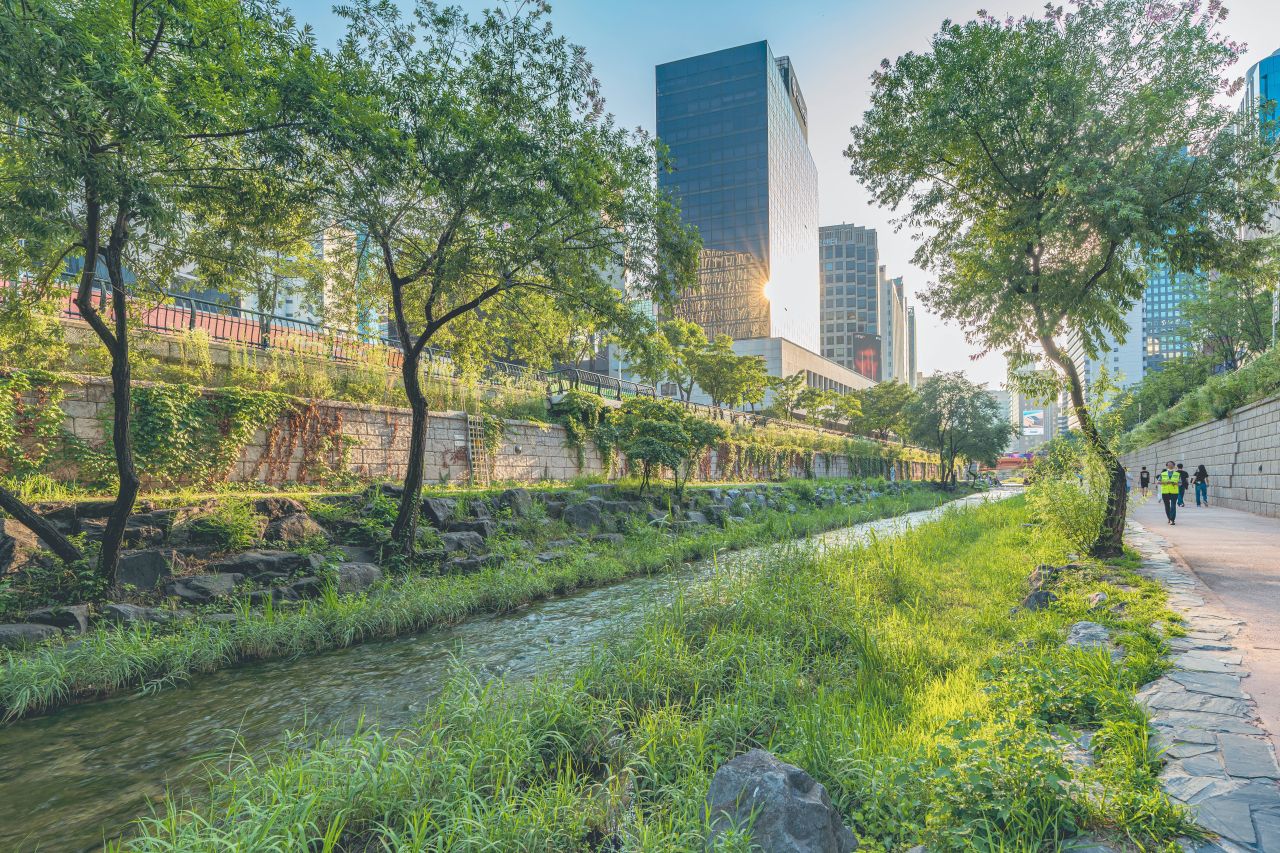
(Photo: Source - Korea Tourism Organization, KOGL Type 1)
What is Ddaeringyi (따릉이)? 2026 Visitor Access Overview
The name Ddaeringyi (따릉이) mimics the cheerful "ring-ring" sound of a traditional bicycle bell. Operated directly by the Seoul Metropolitan Government, this public bike-sharing service aims to reduce traffic congestion and carbon emissions while offering affordable last-mile transportation.
You will spot these sleek, sturdy 3-speed city bikes stationed outside virtually every subway exit, park entrance, university campus, and major shopping district. Each bike features an adjustable seat, a front basket for your daypack, built-in solar LED lights, and a heavy-duty smart lock system integrated with GPS.
When I took my cousin on a cycling tour from Yeouido Park to Banpo Bridge last summer, we were amazed at how seamlessly the QR unlocking mechanism worked. You do not need to register a local SIM card or present your passport at a manual rental counter. All you need is a smartphone with mobile data and an international credit card.
Key Features of Seoul Public Bikes:
- Availability: 24/7 year-round service across all 25 Seoul districts.
- Bike Type: 3-speed step-through city bicycles suitable for all rider heights.
- Basket & Gear: Front elastic cargo basket, bell, automatic front/rear safety lights, and built-in rear wheel QR lock.
- Foreigner Friendliness: Multilingual app interface available in English, Japanese, and Simplified Chinese.
Ddaeringyi Ticket Options & Pricing Matrix (2026)
One of the best aspects of Ddaeringyi is its unbeatable affordability. Whether you need a quick 15-minute ride between sightseeing spots or a full day of riverfront exploring, Seoul City offers flexible short-term passes for foreign travelers.
The table below breaks down the exact 2026 rental rates, usage limits, and overtime surcharge rules:

(Photo: Source - Korea Tourism Organization, KOGL Type 1)
Local Money-Saving Pro-Tip: The "Base Rental Time" means you must dock or return your bike to any Ddaeringyi station within that 60 or 120-minute window. However, within your valid pass period (e.g., 24 hours for a Daily Pass), you can rent bikes an unlimited number of times without paying extra! If your 60 minutes are almost up during a long ride, simply return the bike to a nearby station, wait 10 seconds, and unlock another bike (or the same bike) to reset your timer for free.
Step-by-Step Guide: How to Rent Ddaeringyi Without a Korean Phone Number
Renting a bike as a foreign tourist is straightforward if you follow the correct non-member sequence. Follow these five simple steps to get rolling in minutes:
Step 1: Download the "Seoul Bike" App
Search for "Seoul Bike" or "따릉이" on the Apple App Store or Google Play Store. Ensure your location services (GPS) are turned on so the app can locate nearby rental stations. Open the app and switch the language to English in the top right menu.
Step 2: Select "Foreigner / Non-Member Purchase"
You do not need to create an account or complete Korean identity verification. On the main home screen:
1. Tap Purchase Ticket (or Foreigner option).
2. Choose your preferred pass: 1-Hour Daily Pass (1,000 KRW) or 2-Hour Daily Pass (2,000 KRW).
3. Enter a valid email address. The app will send your digital voucher code and receipt to this email.
Step 3: Complete Payment via International Credit Card
Select Foreign Credit Card as your payment gateway. The app supports major global card issuers:
* Visa
* Mastercard
* JCB
* UnionPay
Enter your credit card number, expiration date, and CVV code. Once payment clears, the app will generate a 24-hour rental ticket bound to your device. Alternatively, if you plan to explore Seoul via public transit, you can grab a pre-loaded Korea Transit T-Money Card and link its number directly inside the app.
Step 4: Locate a Bike & Scan the QR Code
Walk to any Ddaeringyi rental station. Open the Seoul Bike app, tap Scan QR Code, and point your phone’s camera at the QR code located on the lock box under the saddle or on the handlebar stem. You will hear a loud electronic chime, and the green rear wheel ring lock will pop open automatically.
Step 5: Returning the Bike Correctly
When you finish your ride, park the bicycle inside any official Ddaeringyi station green rack area. Slide the physical lock lever on the rear wheel down until it clicks securely into place.
* Crucial Check: Listen for the spoken voice announcement or chime ("Rental returned successfully") and check your mobile phone for a push notification or email confirmation. If the lock is not fully engaged, your timer will keep running and incur overtime charges.
(Photo: Source - Korea Tourism Organization, KOGL Type 1)
3 Best Scenic Cycling Routes Recommended by Locals
Now that you know how to rent your bike, where should you ride? While riding on busy downtown streets can be intimidating due to traffic, Seoul boasts world-class dedicated cycling paths separated from motor vehicles. Here are three of my personal favorite routes:
Route 1: Yeouido Hangang Park Loop (River Breeze & Sunset Views)
- Distance: ~8 km (Approx. 1 hour)
- Nearest Station: Yeouido Station (Line 5/9, Exit 2) or Yeouinaru Station (Line 5, Exit 2)
- Highlights: Panoramic skyline views of the National Assembly and 63 Building, lush riverside parks, and iconic Hangang instant ramyeon picnic spots.
- Local Insider Tip: Start your ride about an hour before sunset. You can cycle from Yeouinaru Station past the Mapo Bridge, watch the golden sun drop over the river, and dock your bike near Banpo Bridge to watch the famous Rainbow Fountain show.
Route 2: Cheonggyecheon Stream to Dongdaemun Design Plaza (DDP)
- Distance: ~4.5 km (Approx. 35 minutes)
- Nearest Station: Gwanghwamun Station (Line 5, Exit 5)
- Highlights: Tracing the sunken urban stream through central Seoul, passing historic stone bridges, Gwangjang Market, and ending at Zaha Hadid’s futuristic DDP building.
- Local Insider Tip: Cycling directly inside the lower pedestrian walkway of Cheonggyecheon is prohibited, but there is a smooth, dedicated street-level bike lane running alongside the stream on both sides.
Route 3: Seoul Forest to Seongsu-dong Hip Alleys
- Distance: ~6 km (Approx. 45 minutes)
- Nearest Station: Seoul Forest Station (Suin-Bundang Line, Exit 3)
- Highlights: Shady tree-lined avenues inside Seoul Forest, deer enclosures, mirror ponds, and seamless access to Seongsu-dong’s famous pop-up stores and trendy cafes.
- Local Insider Tip: Dock your bike at the Seoul Forest Main Gate station, enjoy a hand-drip coffee at a local Seongsu roastry, and then grab another bike to ride across the Yongbi Bridge for spectacular river valley views.
Essential Local Rules, Helmet Policies & Safety Hacks
To ensure a smooth and safe cycling experience in Seoul, keep these five local etiquette and safety rules in mind:
Frequently Asked Questions (FAQ)
Q1: Can I pay for Ddaeringyi using a T-Money card or Wowpass?
Yes! If you purchase your daily pass through the Seoul Bike app or website, you can register your physical T-Money or Wowpass card number under your user profile. Once linked, you can unlock bikes simply by tapping your transit card against the rear lock sensor without taking out your smartphone.
Q2: Is Ddaeringyi included in the Seoul Climate Card (기후동행카드)?
Yes! If you purchased the foreign tourist short-term Climate Card (available in 1, 2, 3, 5, or 7-day transit passes), unlimited 2-hour Ddaeringyi rentals are included at zero extra cost. You just need to register the 16-digit Climate Card number inside the Seoul Bike app.
Q3: What happens if I exceed my 1-hour or 2-hour rental limit?
Do not worry—your bike will not lock automatically while you are riding! However, an overtime surcharge of 200 KRW for every 5 minutes will be charged to the credit card you used for payment. To avoid overage fees, simply dock your bike at any station within the time limit and unlock it again immediately.
```json


